

Why regular water testing is vital for private wells 2026
Your private well might be delivering contaminants straight to your tap without any warning signs. Unlike municipal water systems with continuous monitoring, private wells in Sweden operate without oversight, meaning bacteria, chemicals, and newly regulated substances like PFAS can accumulate undetected. With stricter Swedish regulations taking effect in 2026, understanding testing requirements and maintaining water safety has become more critical than ever. This guide walks you through essential testing protocols, interpretation strategies, and practical solutions to protect your household from hidden water quality risks.
Table of Contents
- Why Regular Water Testing Is Essential For Private Wells In Sweden
- Understanding Swedish Water Quality Standards And Testing Guidelines
- Water Testing Methods And Interpretation of Results
- Effective Water Treatment Options For Common Contaminants
- Ensure Your Well Water’s Safety With Expert Testing Solutions
- Frequently Asked Questions About Regular Water Testing
Key takeaways
| Point | Details |
|---|---|
| Testing frequency matters | Swedish authorities recommend testing every 3 years, annually for households with children under 5 or shared wells |
| New PFAS limits enforced | From January 2026, Sweden enforces stricter limits of 4 ng/l for PFAS4 and 100 ng/l for PFAS21 |
| Multiple contaminants threaten safety | Wells can harbor bacteria, heavy metals, pesticides, and physical impurities requiring different treatment approaches |
| Professional analysis ensures compliance | Accredited laboratory testing provides legally valid results for property transactions and regulatory requirements |
| Treatment selection depends on results | Reverse osmosis, activated carbon, and ion exchange address specific contaminants identified through testing |
Why regular water testing is essential for private wells in Sweden
Private well owners face unique challenges that municipal water users never encounter. Your well water quality can shift dramatically due to seasonal changes, nearby construction, agricultural runoff, or natural geological processes. Unlike city water that undergoes daily monitoring, your well operates independently, making regular water testing crucial for ensuring safety and regulatory compliance.
Health risks from untreated well water extend beyond obvious contamination. Private wells are susceptible to bacteria, viruses, chemicals, and heavy metals that cause both immediate illness and long term health consequences. Coliform bacteria can trigger gastrointestinal problems within hours. Heavy metals like lead and arsenic accumulate in your body over years, affecting neurological development in children and increasing cancer risk in adults.
Swedish regulations establish clear testing obligations for well owners. The Swedish National Food Agency recommends testing at minimum every three years for standard households. If you have children under five, pregnant family members, or share your well with neighbors, annual testing becomes necessary. These aren’t suggestions but practical requirements to maintain safe drinking water standards.
Environmental factors constantly influence your Swedish water quality. Heavy rainfall can introduce surface contaminants into shallow wells. Drought conditions concentrate existing pollutants. Nearby septic systems, road salt application, or industrial activities miles away can migrate through groundwater and compromise your well. Regular testing catches these changes before they threaten your family’s health.
Property value protection represents another compelling reason for consistent testing. When selling a property with a private well, current water analysis documentation is mandatory. Buyers rightfully demand proof of water safety. A history of regular testing with clean results strengthens your negotiating position and accelerates transactions. Discovering contamination during a sale creates costly delays and price reductions.
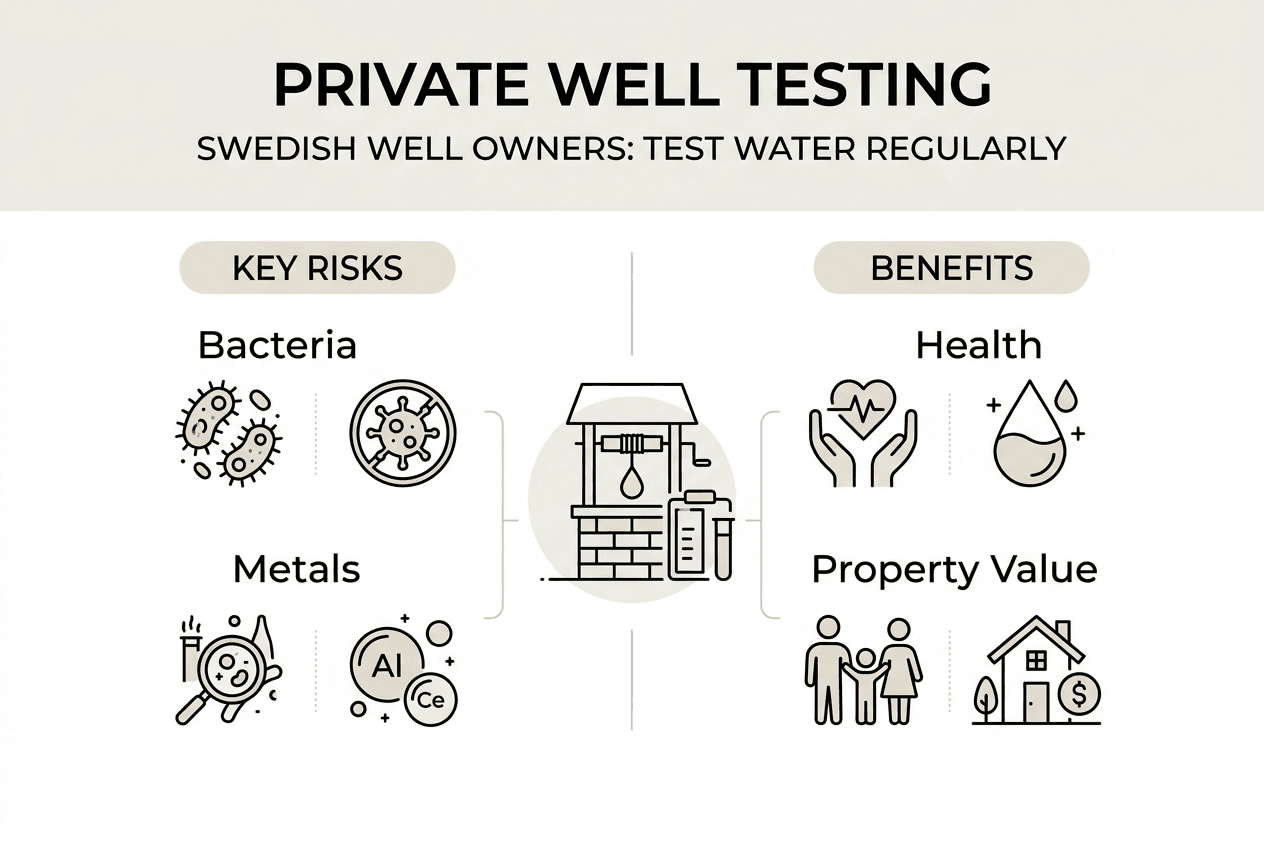
Pro Tip: Create a testing calendar with reminders 30 days before your scheduled test date. This buffer allows time to collect samples properly and address any issues before your next compliance deadline.
Understanding Swedish water quality standards and testing guidelines
The Swedish National Food Agency (Livsmedelsverket) sets comprehensive standards for private well water that mirror requirements for public water systems. These guidelines cover microbiological, chemical, and physical parameters designed to protect public health. Understanding which parameters matter for your specific well type and location helps you choose appropriate testing packages.
Microbiological testing focuses on indicator organisms that signal fecal contamination. Coliform bacteria, E. coli, and intestinal enterococci serve as warning flags for potential pathogen presence. Even if these organisms themselves aren’t always harmful, their presence indicates your well is vulnerable to more dangerous microbes. Chemical analysis examines metals like iron, manganese, lead, arsenic, and copper alongside nutrients such as nitrate and nitrite that indicate agricultural or septic system influence.
PFAS compounds represent a growing concern across Sweden, particularly near airports, military bases, and industrial sites where firefighting foam was used. These per and polyfluoroalkyl substances persist in the environment and accumulate in human bodies. From January 1, 2026, stricter limits are enforced with PFAS4 limited to 4 ng/l and PFAS21 to 100 ng/l. These dramatically lower thresholds reflect emerging research on PFAS health impacts.
Testing frequency recommendations vary based on household composition and well characteristics:
- Standard households with no vulnerable members: every 3 years minimum
- Households with children under 5, pregnant women, or immunocompromised individuals: annually
- Shared wells serving multiple properties: annually
- Wells with previous contamination issues: every 6 months until resolved
- After significant environmental changes like flooding or nearby construction: immediately
Physical parameters including pH, turbidity, color, and odor provide clues about your water’s condition. Low pH indicates acidic water that corrodes pipes and leaches metals. High turbidity suggests sediment intrusion or bacterial growth. Understanding drinking water limits and guidelines helps you interpret whether your results fall within acceptable ranges.
| Contaminant Category | Testing Frequency | Key Parameters | Acceptable Limits | | — | — | — | | Microbiological | Every 3 years minimum | E. coli, Coliform bacteria | 0 CFU/100ml | | Chemical (Metals) | Every 3 years | Lead, Arsenic, Copper | Lead <10 µg/l, Arsenic <10 µg/l | | PFAS (2026 standards) | Annually near risk areas | PFAS4, PFAS21 | PFAS4 <4 ng/l, PFAS21 <100 ng/l | | Nutrients | Every 3 years | Nitrate, Nitrite | Nitrate <50 mg/l | | Physical | Every 3 years | pH, Turbidity, Color | pH 6.5 to 9.5 |
Pro Tip: Maintain a dedicated folder with all your water test results, dates, and any treatment actions taken. This documentation proves invaluable for tracking trends, satisfying regulatory requirements, and supporting property transactions.
Water testing methods and interpretation of results
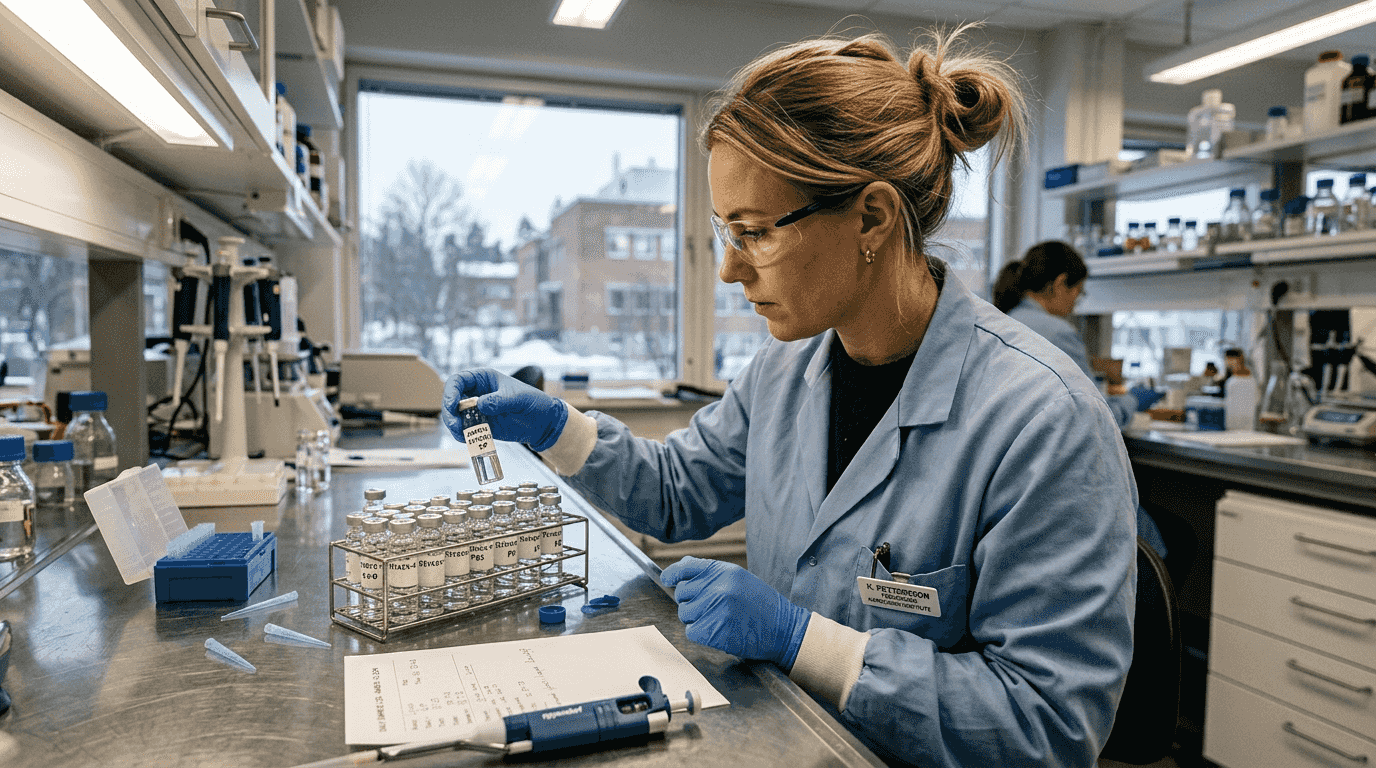
Understanding testing methodologies empowers you to choose appropriate analysis packages and interpret results confidently. Testing includes microbiological analysis for bacteria and viruses, chemical analysis for PFAS, heavy metals, and pesticides, plus physical analysis examining turbidity and color. Each method targets specific contaminants using distinct laboratory techniques.
Microbiological testing uses culture methods where water samples are placed on growth media. Technicians incubate samples at controlled temperatures and count colony forming units that develop. Modern labs employ membrane filtration for precision, passing 100ml of your water through filters that trap bacteria. After incubation, visible colonies are counted and identified. Results typically arrive within 48 to 72 hours.
Chemical analysis employs sophisticated instruments like inductively coupled plasma mass spectrometry for metals and liquid chromatography for organic compounds. These methods detect contaminants at parts per billion or even parts per trillion. PFAS analysis requires specialized equipment due to these compounds’ unique chemistry and the extremely low concentration limits set by 2026 regulations.
Proper sample collection determines result accuracy. Always collect samples in sterile containers provided by your testing laboratory. Never reuse bottles or substitute containers, as residual contaminants invalidate results. For microbiological testing, avoid touching the bottle interior or cap. Let water run for 2 to 3 minutes before collecting to clear stagnant water from pipes. Fill bottles completely to the shoulder, leaving minimal air space.
Common contaminants found in Swedish private wells vary by region and geology. Granite bedrock areas often show elevated radon levels. Coastal regions may experience saltwater intrusion during drought periods. Agricultural areas typically display elevated nitrate from fertilizer application. Understanding key water parameters for wells in your specific region helps you anticipate potential issues.
Interpreting your water analysis report requires comparing each parameter against Swedish drinking water standards. Accredited laboratories provide clear indication of whether results fall within acceptable ranges. Pay attention to parameters approaching limits even if technically compliant. A nitrate level at 40 mg/l remains legal but signals increasing contamination risk worth monitoring closely.
Some results demand immediate action while others allow planned responses:
- E. coli or coliform bacteria detected: Stop drinking immediately, boil water, and investigate contamination source
- PFAS exceeding 2026 limits: Install appropriate filtration before consumption
- Heavy metals above limits: Identify source (pipes vs. groundwater) and implement treatment
- Elevated but compliant parameters: Schedule more frequent testing to track trends
- Physical issues like high turbidity: Check well integrity and consider sediment filtration
Pro Tip: When receiving your analysis report, focus first on microbiological results as these pose immediate health risks. Then review chemical parameters, prioritizing those significantly above guidelines. Contact your testing laboratory’s support team for clarification on any confusing results or recommended next steps.
Effective water treatment options for common contaminants
Once testing identifies specific contaminants, selecting appropriate treatment technology becomes your priority. Several water treatment technologies address identified contaminants including reverse osmosis, activated carbon filters, and ion exchange resins, each excelling with particular pollutant types. Matching treatment to your specific water quality issues ensures effective remediation and cost efficiency.
Reverse osmosis systems force water through semi permeable membranes that block contaminants while allowing water molecules to pass. These systems effectively remove PFAS, heavy metals, nitrates, and many dissolved solids. Installation costs range from 15,000 to 35,000 SEK for whole house systems. They require regular membrane replacement and produce wastewater during filtration, typically rejecting 3 to 4 liters for every liter of purified water produced.
Activated carbon filtration uses specially treated carbon with massive surface area to adsorb organic chemicals, chlorine, pesticides, and some PFAS compounds. Granular activated carbon works well for point of use applications like under sink filters. These systems cost 3,000 to 12,000 SEK depending on capacity. Carbon filters require replacement every 6 to 12 months based on water volume and contamination levels. They prove less effective for heavy metals or microbiological contamination.
Ion exchange systems swap harmful ions in your water for harmless ones using specialized resin beds. Water softeners represent the most common ion exchange application, replacing calcium and magnesium with sodium. For contamination treatment, specific resins target arsenic, nitrate, or radium. IVL offers services determining the most effective purification technology and works with techniques like nanofiltration, ion exchangers, activated carbon, and foam fractionation. Costs vary from 8,000 to 25,000 SEK with ongoing regeneration chemical expenses.
Ultraviolet disinfection systems eliminate microbiological contamination without chemicals. UV light at specific wavelengths damages bacterial and viral DNA, preventing reproduction. These systems cost 4,000 to 10,000 SEK and require annual bulb replacement. UV works only on microbiological threats and demands pre filtration if your water contains turbidity that blocks light penetration.
| Treatment Technology | Target Contaminants | Approximate Cost | Maintenance Requirements | Limitations |
|---|---|---|---|---|
| Reverse Osmosis | PFAS, Heavy metals, Nitrates | 15,000 to 35,000 SEK | Membrane replacement yearly | Produces wastewater, removes beneficial minerals |
| Activated Carbon | Organic chemicals, Pesticides, Some PFAS | 3,000 to 12,000 SEK | Filter replacement every 6 to 12 months | Ineffective for metals or bacteria |
| Ion Exchange | Arsenic, Nitrate, Hardness | 8,000 to 25,000 SEK | Resin regeneration or replacement | Requires specific resins per contaminant |
| UV Disinfection | Bacteria, Viruses | 4,000 to 10,000 SEK | Annual bulb replacement | Only addresses microbiological threats |
Implementing effective treatment requires following these steps:
- Obtain comprehensive water testing identifying all contaminants and their concentrations
- Consult with water treatment professionals who understand Swedish conditions and regulations
- Select treatment technology specifically targeting your identified contaminants
- Ensure proper installation by certified technicians familiar with your chosen system
- Establish maintenance schedules for filter changes, membrane replacement, or system regeneration
- Conduct follow up testing 30 days after installation to verify treatment effectiveness
- Continue regular testing annually to confirm ongoing treatment performance
Many homeowners benefit from combining multiple treatment technologies. A common approach pairs sediment filtration removing particles, activated carbon addressing organic chemicals, and UV disinfection eliminating microbes. Understanding well water improvement measures helps you design comprehensive treatment matching your specific water quality challenges.
Ensure your well water’s safety with expert testing solutions
Protecting your family’s health starts with understanding exactly what’s in your water. Professional testing services provide the accuracy and regulatory compliance necessary for confident decision making about your private well. Accredited private well water testing delivers results you can trust, analyzed by Swedac certified laboratories following Swedish National Food Agency protocols.
Comprehensive water analysis for private wells covers the parameters most relevant to Swedish conditions, from microbiological indicators to chemical contaminants and physical characteristics. Specialized packages address specific concerns like PFAS water testing services that meet 2026 regulatory requirements. Every analysis includes clear explanations of results, comparison against current standards, and practical recommendations for any necessary improvements. Take control of your water quality today with testing solutions designed specifically for Swedish private well owners.
Frequently asked questions about regular water testing
How often should I test my private well water in Sweden?
Test your well every three years minimum for standard households. If you have children under five, pregnant family members, or share your well with neighbors, annual testing is recommended. Test immediately after flooding, nearby construction, or any noticeable changes in water taste, odor, or appearance.
What health risks do common well water contaminants pose?
Bacteria like E. coli cause immediate gastrointestinal illness with symptoms appearing within hours. Heavy metals including lead and arsenic accumulate over time, affecting neurological development in children and increasing cancer risk in adults. PFAS compounds persist in your body and are linked to immune system problems, thyroid disease, and certain cancers. Nitrates pose particular danger to infants, causing blue baby syndrome by interfering with oxygen transport in blood.
What happens if my well water fails to meet Swedish standards?
You must stop using the water for drinking and cooking until contamination is addressed. Boiling works for bacterial contamination but not for chemicals or heavy metals. Contact your municipal environmental health office for guidance on temporary water sources and required remediation. You’ll need follow up testing after implementing treatment to verify water safety before resuming normal use. Understanding signs of contaminated well water helps you recognize problems early.
How do I collect a water sample correctly for testing?
Use only sterile containers provided by your testing laboratory. Never reuse bottles or substitute containers. Let water run for two to three minutes to clear pipes before collecting. Avoid touching the bottle interior or cap. Fill completely to the shoulder, leaving minimal air space. For microbiological testing, collect samples first thing in the morning before any water use. Ship samples to the laboratory immediately, keeping them cool but not frozen during transport.
What should I do after discovering contamination in my well water?
First, stop drinking the water and arrange alternative sources for drinking and cooking. Contact water treatment professionals for assessment of appropriate remediation technologies. For bacterial contamination, investigate potential sources like septic system proximity or well cap integrity. Install treatment systems specifically targeting your identified contaminants. Conduct follow up testing 30 days after treatment installation to verify effectiveness. Maintain regular testing schedules to ensure continued water safety. Comprehensive guidance on ensuring safe drinking water walks you through each step of the remediation process.