

How guidelines shape water analysis for Swedish well owners
Many Swedish homeowners with private wells assume their water is safe simply because it looks clear and tastes fine. This common misconception can put families at risk, as invisible contaminants like bacteria, radon, and PFAS often go undetected without proper testing. Official guidelines from Livsmedelsverket and regulatory frameworks like LIVSFS 2022:12 provide a structured approach to water quality analysis, helping you understand which parameters to test, how often to sample, and what results mean for your household’s safety. This article explains how these national guidelines influence private well water testing practices and what you need to know to keep your drinking water safe and compliant with Swedish standards.
Table of Contents
- Key takeaways
- Understanding how Swedish water analysis guidelines work
- Key parameters and risk-based testing for private wells
- Emerging challenges and updated guidelines in water analysis
- Practical steps for Swedish homeowners to ensure water safety
- Ensure your well water meets safety standards with reliable testing
- FAQ
Key Takeaways
| Point | Details |
|---|---|
| Testing frequency | Private wells are typically tested on a three year cycle, with annual testing for vulnerable groups. |
| Accredited labs | Use Swedac accredited laboratories to ensure reliable results that meet quality control standards and can support regulatory or property related needs. |
| Standardized parameters | Testing should use the same parameters as public water systems to allow reliable comparison over time and across laboratories. |
| Risk based testing | A risk assessment determines extra tests and how often to sample based on groundwater changes and vulnerabilities. |
| PFAS limits update | Updated PFAS limits take effect from 2026 onward, affecting testing requirements and acceptable concentration thresholds. |
Understanding how Swedish water analysis guidelines work
Swedish water quality regulations create a framework that protects public health while clarifying responsibilities for different types of water supplies. LIVSFS 2022:12 primarily regulates public and commercial water systems serving more than 10 cubic meters per day or 50 users. Private wells are exempt from LIVSFS 2022:12 but Livsmedelsverket recommends the same standards for safety, ensuring that homeowners can voluntarily adopt proven testing protocols to protect their families.
As a private well owner, you bear full responsibility for testing your water and maintaining its quality. Unlike municipal water users who benefit from continuous professional monitoring, you must proactively schedule tests and interpret results. This responsibility becomes manageable when you understand the standardized parameters and testing frequencies recommended by national health authorities.
Standardized testing parameters enable reliable comparison across different laboratories and over time. When you test your water using the same parameters as public water systems, you can confidently assess whether your results meet safety thresholds. This consistency matters especially when you need to document water quality for property sales, apply for treatment subsidies, or consult with municipal environmental health officials.
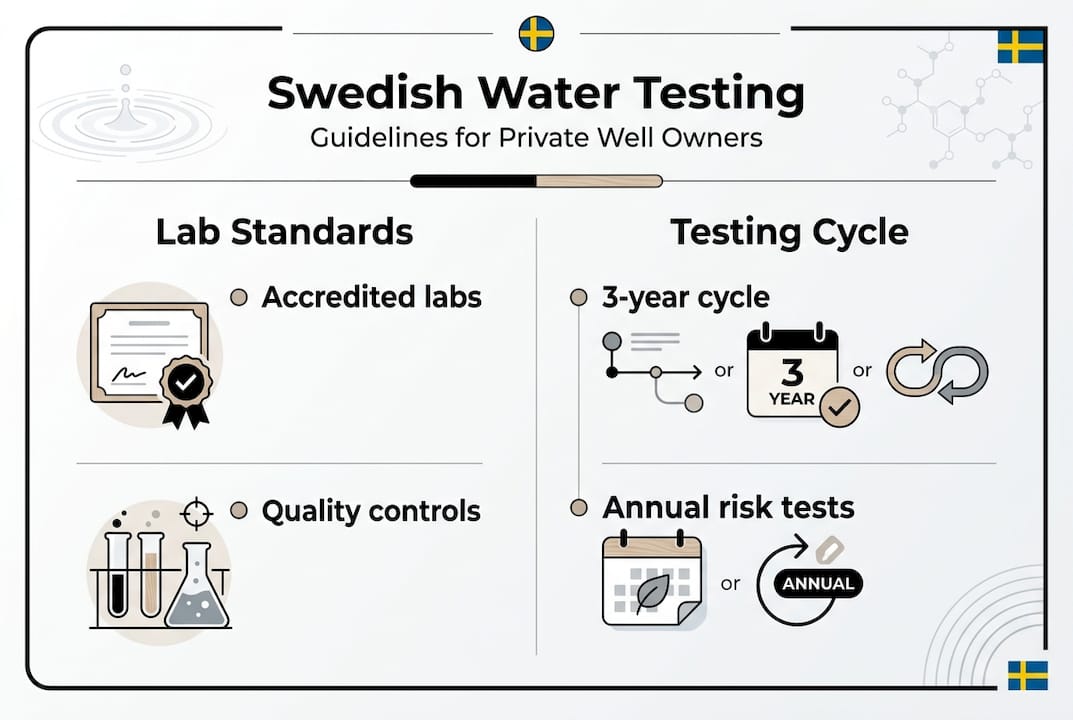
Testing frequency typically follows a three-year cycle for most households. Annual testing becomes necessary when vulnerable groups like infants, pregnant women, or elderly family members consume the water regularly. You should also test immediately after noticing changes in taste, odor, color, or clarity, or when nearby land use changes might affect groundwater quality.
Using accredited laboratories ensures your results hold up to scrutiny. Swedac-accredited labs follow strict quality control procedures and use validated methods that align with EU directives and Swedish regulations. This accreditation means your test results can serve as official documentation when needed, whether for regulatory compliance, property transactions, or treatment system design. For comprehensive guidance on testing protocols, review this water testing guide 2026.
Pro Tip: Keep a dedicated folder with all your water test results organized by date. This historical record helps you spot gradual changes in water quality that might signal developing problems with your well or surrounding groundwater conditions.
You can verify laboratory accreditation and explore detailed testing requirements through water quality guidelines Sweden resources maintained by national authorities.
Key parameters and risk-based testing for private wells
Water quality testing examines specific parameters that indicate safety and suitability for drinking. Basic test packages include microbiological parameters like coliform bacteria and E. coli, which signal fecal contamination. Chemical parameters cover pH levels, turbidity, metals like iron and manganese, and minerals affecting taste and hardness. These fundamental measurements reveal whether your water meets minimum safety standards.
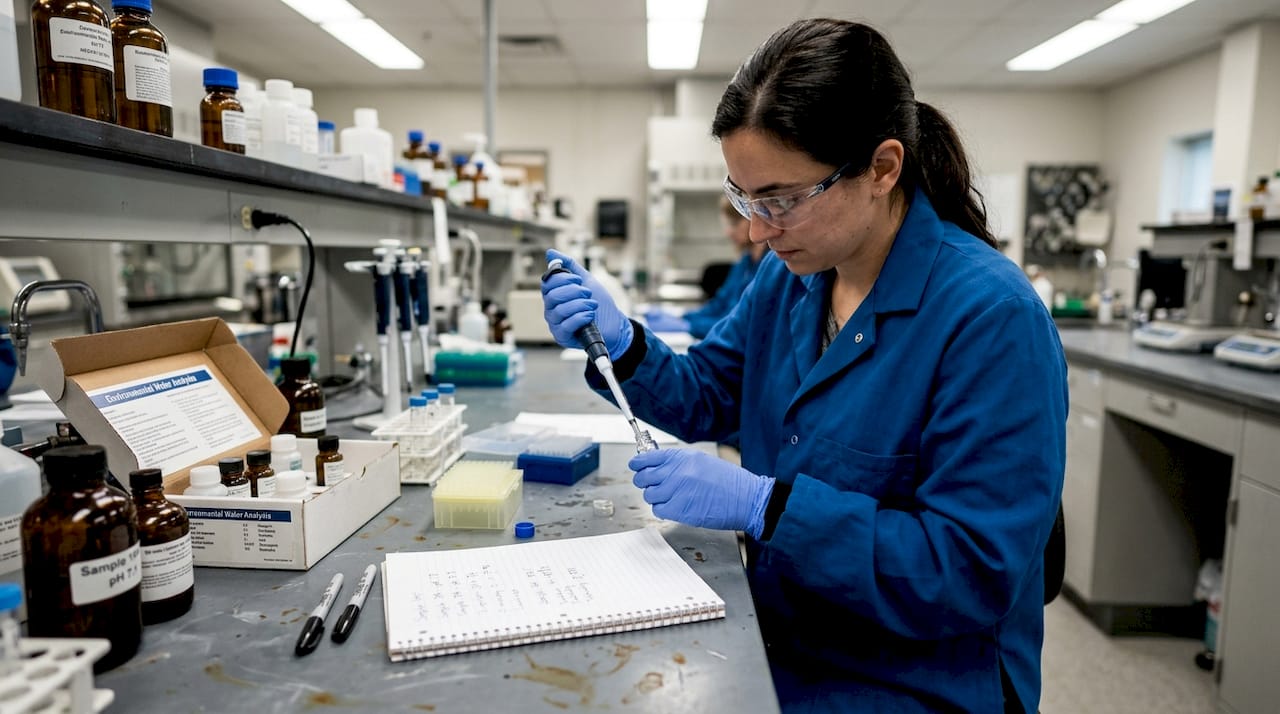
Risk assessment (faroanalys) determines extra parameters and frequencies; labs assess results against Annex 1 limits; operators must document and investigate exceedances. This customized approach recognizes that wells in different locations face distinct contamination risks. A well near agricultural land requires nitrate testing, while wells in granite bedrock areas need radon analysis. Surface water sources demand more frequent bacterial testing than deep groundwater wells.
Testing frequencies vary based on water volume, source type, and identified risks:
- Groundwater wells typically require testing every three years for routine monitoring
- Surface water sources need annual or semi-annual bacterial testing due to higher contamination risk
- Wells serving vulnerable populations require annual comprehensive testing
- High-risk locations near pollution sources may need quarterly monitoring for specific contaminants
Laboratories compare your results to legal parametric limits established in national regulations. When any parameter exceeds these limits, the lab notifies you immediately and may alert municipal health authorities depending on the severity. Exceedances trigger a formal investigation process to identify contamination sources and implement corrective measures.
Documenting water quality trends over multiple test cycles provides crucial information for treatment system design. If iron levels gradually increase, you can plan for filtration before the problem becomes severe. Tracking bacterial test results helps you determine whether seasonal contamination patterns require UV disinfection or well rehabilitation. Understanding key water parameters 2026 empowers you to make informed decisions about water treatment investments.
| Parameter | Legal Limit | Testing Frequency | Health Significance |
|---|---|---|---|
| E. coli | 0 CFU/100ml | Every 3 years (annual for vulnerable groups) | Indicates fecal contamination and disease risk |
| Coliform bacteria | 0 CFU/100ml | Every 3 years (annual for vulnerable groups) | Suggests inadequate disinfection or contamination |
| pH | 6.5-9.5 | Every 3 years | Affects corrosion and treatment effectiveness |
| Iron | 200 μg/l | Every 3 years | Causes staining and taste issues |
| Manganese | 50 μg/l | Every 3 years | Affects taste and causes discoloration |
| Nitrate | 50 mg/l | Annual near agriculture | High levels dangerous for infants |
| Radon | 100 Bq/l | Once, then every 5 years | Long-term cancer risk from inhalation |
Pro Tip: Schedule your water testing in late spring or early summer when seasonal variations are minimal. This timing provides the most representative baseline results for comparison in future years.
To understand how risk assessments customize your testing strategy, consult resources on risk assessment water testing that explain the evaluation process in detail.
Emerging challenges and updated guidelines in water analysis
Climate change introduces new variables affecting well water safety that weren’t prominent concerns a decade ago. Extreme weather events like intense rainfall or prolonged drought can cause sudden spikes in bacterial contamination as surface water infiltrates wells or concentrates pollutants. These patterns require homeowners to consider event-based testing in addition to routine schedules, especially after severe storms or flooding.
Radon gas presents a persistent challenge in many Swedish regions, particularly where wells penetrate granite bedrock. This naturally occurring radioactive gas dissolves into groundwater and can reach concerning levels in homes when released during showering or cooking. Testing for radon has become standard practice in high-risk geological areas, with specialized analysis methods detecting concentrations that warrant mitigation through aeration or specialized filtration.
Climate change increases bacterial risks after extreme weather; radon is common in granite wells; new PFAS limit set at 4 ng/l in 2026. This updated PFAS contamination limit represents a significant tightening of standards, reflecting growing scientific understanding of these persistent chemicals’ health impacts. The previous limit of 90 ng/l for total PFAS has been replaced with the much stricter 4 ng/l threshold, requiring more sensitive analytical methods and prompting many homeowners to test for these contaminants for the first time.
Small water system owners face resource constraints that affect monitoring capabilities:
- Limited budgets restrict the frequency and scope of testing programs
- Lack of technical expertise makes result interpretation challenging
- Small user bases mean contamination events affect fewer people but receive less regulatory attention
- Trend monitoring becomes the primary tool for detecting gradual quality deterioration
Non-compliance with parametric limits requires immediate consumer notification and protective advice. When bacterial contamination exceeds safe levels, you must inform household members immediately and implement precautions like boiling water until the problem resolves. Severe contamination may require temporary use of bottled water while you investigate and remediate the contamination source.
“The new PFAS limit of 4 ng/l total represents one of the world’s strictest standards for these persistent contaminants, reflecting Sweden’s commitment to precautionary protection of drinking water quality and public health. This update requires homeowners near potential PFAS sources to prioritize testing and consider advanced treatment if contamination is detected.”
Updated guidelines in 2026 also address analytical method improvements, requiring laboratories to use more sensitive detection techniques for trace contaminants. These advances mean you can now identify problems at much lower concentrations, enabling earlier intervention before health risks develop. For detailed information about PFAS risks and testing options, explore PFAS in drinking water resources.
Practical steps for Swedish homeowners to ensure water safety
Choosing a Swedac-accredited laboratory ensures your analysis meets national standards and produces legally valid results. Accreditation verifies that the lab follows strict quality control procedures, uses validated analytical methods, and participates in regular proficiency testing. This credential matters when you need documentation for property sales, municipal consultations, or treatment system design.
Test package selection depends on your well type, location, and specific concerns. Basic packages cover essential microbiological and chemical parameters suitable for routine monitoring when no problems are suspected. Comprehensive packages include expanded parameter lists that help diagnose specific issues like taste problems, staining, or suspected contamination. Specialized tests target single concerns like radon, PFAS, or pesticides when risk assessments identify particular threats.
Follow these steps to complete successful water testing:
- Order your chosen test package from an accredited laboratory, selecting parameters based on your well type and risk factors
- Receive sampling materials with detailed instructions for proper collection technique to avoid contamination
- Collect samples following the provided protocol, typically requiring flushing taps and using sterile containers
- Ship samples to the laboratory within the specified timeframe to ensure valid results
- Review your results when received, comparing each parameter to legal limits and previous test data
- Implement recommended treatments or corrective actions for any parameters exceeding safe levels
- Schedule follow-up testing to verify treatment effectiveness or monitor ongoing trends
Testing schedules should align with guidelines while accommodating your household’s specific risk factors. Standard three-year intervals work for most wells with historically good quality and no nearby contamination sources. Annual testing becomes necessary when infants, pregnant women, or elderly family members drink the water regularly. Immediate testing is required after noticing water quality changes or when nearby land use modifications might affect groundwater.
Keeping detailed records of all test results enables trend analysis that reveals gradual changes requiring attention. Create a simple spreadsheet or folder system documenting test dates, all parameter results, and any treatments applied. This historical data becomes invaluable when diagnosing problems, designing treatment systems, or demonstrating water quality during property transactions.
Common treatment options address specific water quality issues identified through testing:
- UV disinfection systems eliminate bacteria and viruses without chemicals, ideal for microbiological contamination
- Iron and manganese filters remove these metals that cause staining, taste problems, and plumbing damage
- Activated carbon filtration addresses organic contaminants, taste, and odor issues
- Reverse osmosis systems provide comprehensive contaminant removal for severe quality problems
- Aeration systems remove radon gas and volatile organic compounds through air stripping
| Test Package | Parameters Covered | Best For | Approximate Cost |
|---|---|---|---|
| Basic Well Test | 15-20 parameters: bacteria, pH, metals, turbidity | Routine monitoring, wells with good history | 1,500-2,000 SEK |
| Comprehensive Test | 40-50 parameters: expanded metals, minerals, organics | Problem diagnosis, first-time testing | 3,000-4,000 SEK |
| PFAS Screening | 30+ PFAS compounds | Wells near airports, military sites, industrial areas | 4,500-6,000 SEK |
| Radon Test | Radon-222 concentration | Granite bedrock areas, enclosed well houses | 800-1,200 SEK |
Pro Tip: Avoid common sampling mistakes by running cold water for 5-10 minutes before collecting samples, never touching the bottle opening or cap interior, and shipping samples the same day you collect them. These precautions prevent false positive bacterial results that waste time and money.
Understanding the importance of regular testing helps maintain consistent water safety over time. Regional variations in Swedish water quality mean your testing strategy should account for local geological and environmental factors affecting groundwater in your area.
Ensure your well water meets safety standards with reliable testing
Protecting your family’s health starts with knowing exactly what’s in your well water. Svenskt Vattenprov offers Swedac-accredited water tests for private wells designed specifically for Swedish homeowners who need reliable analysis aligned with national guidelines. Our test packages range from basic monitoring panels to comprehensive analysis covering all parameters recommended by Livsmedelsverket, ensuring you can choose the right level of testing for your situation.
Each test kit includes everything you need for proper sampling, with clear instructions that help you avoid common collection mistakes. Our complete water analysis package provides the most thorough assessment available, examining over 70 parameters to give you complete confidence in your water quality. Detailed sampling instructions guide you through every step, from preparing your tap to shipping samples correctly. Results arrive with clear explanations of what each parameter means and specific recommendations if any values require attention, translating complex data into actionable guidance you can use immediately.
FAQ
How often should I test my private well water?
Test your well water every three years for routine monitoring when no problems exist and your household includes only healthy adults. Annual testing becomes necessary if infants, pregnant women, elderly family members, or immunocompromised individuals drink the water regularly. You should also test immediately after noticing any changes in water appearance, taste, or odor, or when nearby land use modifications might affect groundwater quality.
What does a basic water test include?
Basic well water tests examine essential microbiological parameters like coliform bacteria and E. coli, plus chemical indicators including pH, turbidity, iron, manganese, and hardness. This parameter set covers the most common water quality issues affecting Swedish private wells and provides sufficient information for routine safety monitoring. Basic tests work well for wells with historically good quality and no identified contamination risks.
How do new PFAS limits affect my water testing?
New PFAS limit set at 4 ng/l total from 2026 creates much stricter standards than previous regulations, requiring more sensitive analytical methods to detect these persistent contaminants. You should consider PFAS testing if your well is located near airports, military installations, industrial sites, or areas where firefighting foam was used historically. The updated limits mean contamination previously considered acceptable may now require treatment or alternative water sources. Learn more about PFAS risks and limits to determine if testing applies to your situation.
What should I do if my water test exceeds limits?
Non-compliance triggers immediate consumer advice like boiling water when bacterial contamination exceeds safe levels, protecting household members while you investigate the problem. Contact your laboratory or a water quality expert to interpret results and identify likely contamination sources. Common solutions include well disinfection for bacterial issues, installing UV systems for ongoing microbial protection, or adding filtration for chemical contaminants. Schedule follow-up testing after implementing treatments to verify their effectiveness and ensure water quality returns to safe levels.