

10 essential water analysis facts for Swedish well owners
Owning a private well in Sweden means taking full responsibility for your water quality. Unlike municipal water systems with constant monitoring, you alone decide when and how to test your water. Understanding the essential facts about water analysis empowers you to protect your family’s health, maintain your property value, and make informed decisions about treatment options. This guide presents ten critical facts every Swedish well owner should know about testing parameters, contamination risks, and practical strategies to ensure safe, clean water for drinking, cooking, and everyday use.
Table of Contents
- Key takeaways
- Understanding water quality criteria for private wells in Sweden
- Common contaminants in Swedish private wells and their impact
- How to perform water analysis: methods, frequency, and practical tips
- Choosing the right water analysis for your well: a comparison of test options
- Get trusted water analysis kits tailored for Swedish wells
- Frequently asked questions about private well water testing
Key Takeaways
| Point | Details |
|---|---|
| Owner testing duty | Private well owners in Sweden decide when and how to test their water. |
| Regulatory benchmarks | Bacterial, chemical, and radiological parameters follow LIVSFS 2022:12 to determine safe drinking water. |
| High priority contaminants | Critical targets include E. coli, intestinal enterococci, nitrate, and pH to protect health and plumbing. |
| Common contaminant patterns | Common contaminants include bacteria, iron and manganese, nitrates, radon in granite areas, and PFAS near contaminated sites. |
Understanding water quality criteria for private wells in Sweden
Swedish drinking water quality standards provide clear benchmarks for what constitutes safe water. Key benchmarks for safe drinking water from wells follow LIVSFS 2022:12 guidelines, which apply the same rigor to private wells as municipal systems. These regulations cover bacterial, chemical, and radiological parameters that directly impact your health and water usability.
Bacterial contamination represents the most immediate health threat. The standard is absolute: E. coli must be completely absent from drinking water. Even a single colony forming unit indicates fecal contamination and requires immediate corrective action. Intestinal enterococci should also be zero, while total coliform bacteria serve as an early warning indicator of potential contamination pathways.
Chemical parameters protect against both acute and chronic health effects. Nitrate levels must stay below 50 mg/L to prevent methemoglobinemia in infants. The pH range of 6.5 to 9.5 ensures water doesn’t corrode pipes or affect treatment effectiveness. Metals like iron and manganese have aesthetic limits of 0.2 mg/L and 0.05 mg/L respectively, though they primarily affect taste, color, and staining rather than immediate health.
Radiological testing deserves special attention in granite bedrock areas. Radon gas dissolves into groundwater and can release into your home during showering or cooking. Uranium and radium occur naturally in some geological formations and require specialized detection methods.
Pro Tip: Request a water testing guide that maps your region’s typical contamination risks. Testing for parameters relevant to your local geology and land use saves money while addressing real threats.
Priority parameters by risk category:
- High priority: E. coli, intestinal enterococci, nitrate, pH
- Medium priority: Iron, manganese, hardness, color, turbidity
- Regional priority: Radon (granite areas), PFAS (near airports), salt (coastal wells)
- Situational priority: Pesticides (agricultural areas), arsenic (specific geology)
Common contaminants in Swedish private wells and their impact
Real world contamination patterns reveal which threats you’re most likely to face. Common issues include bacterial contamination, elevated iron and manganese, nitrates from agriculture, radon in granite areas, and PFAS near contaminated sites. Understanding these patterns helps you prioritize testing and recognize warning signs early.
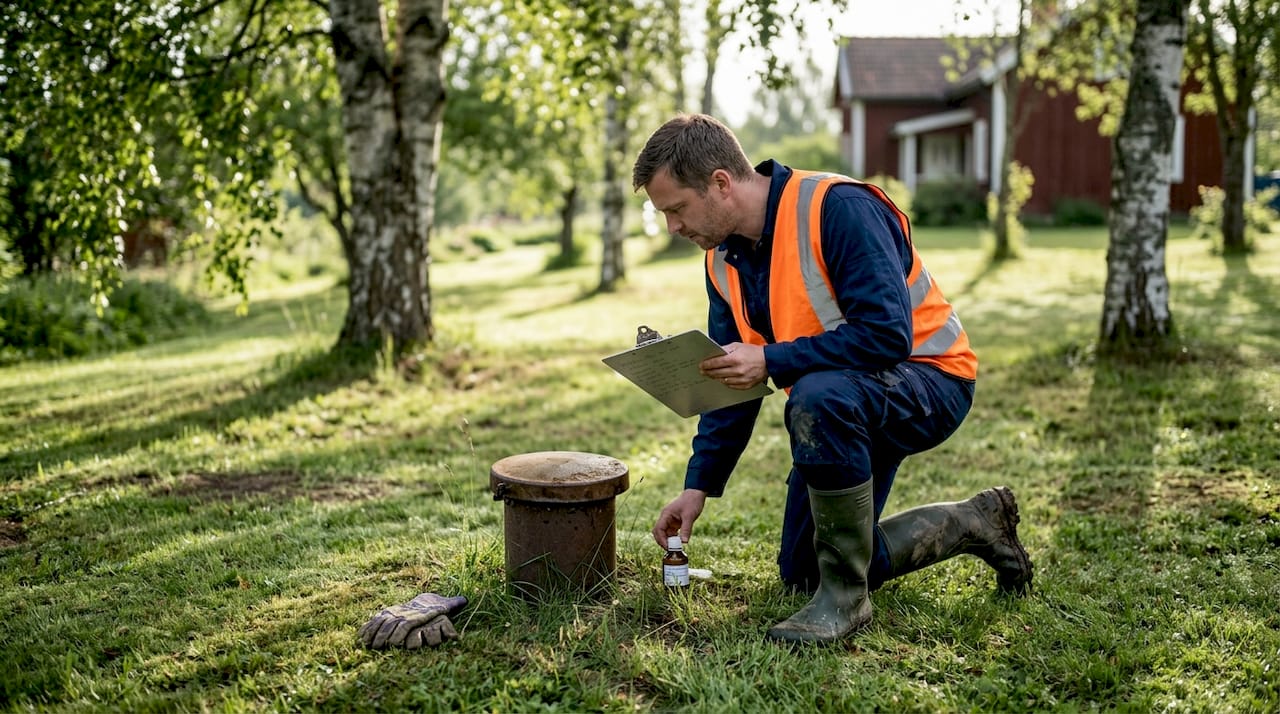
Bacterial risks increase dramatically after flooding, nearby construction, or when well caps deteriorate. Surface water intrusion brings pathogens that cause gastrointestinal illness. Shallow dug wells face higher bacterial risk than deep drilled wells, but any well can become contaminated through cracks in casing or improper sealing. Symptoms appear within hours to days of exposure, making bacterial testing your first line of defense.
Iron and manganese create the most common aesthetic problems Swedish well owners face. Concentrations above limits cause orange or black staining on fixtures, metallic taste, and sediment buildup. While not immediately dangerous at typical levels, these metals support bacterial growth in pipes and reduce appliance lifespan. High levels indicate reducing conditions in your aquifer that may also mobilize other metals.
Nitrate contamination stems primarily from agricultural fertilizers and septic systems. Unlike many contaminants, nitrate doesn’t affect taste or appearance, making testing essential. Infants under six months face the greatest risk because nitrate interferes with oxygen transport in blood. Pregnant women should also avoid elevated nitrate levels. Once nitrate enters an aquifer, it persists for years.
Radonuclides present invisible risks that vary dramatically by geology. Granite bedrock releases radon gas that dissolves into groundwater. When you use this water indoors, radon escapes into air where it becomes a leading cause of lung cancer. Uranium and radium in bedrock can also contaminate wells, with health effects from long term exposure.
PFAS contamination represents an emerging concern near airports, military sites, and some industrial areas. These synthetic chemicals persist indefinitely in the environment and accumulate in human tissue. While not widespread across Sweden, localized PFAS contamination requires specialized testing to detect. Check signs of well water contamination if you notice sudden changes in water characteristics.
“The invisible nature of most water contaminants means you cannot rely on appearance, taste, or smell to judge safety. Only laboratory analysis reveals the true quality of your well water.”
How to perform water analysis: methods, frequency, and practical tips
Effective water testing requires understanding when to test, how to collect samples properly, and what laboratory methods ensure accurate results. Private well owners should test at least every 3 years or annually if infants are present, using accredited labs with methods like ISO standards. This frequency catches gradual changes before they become health hazards.
Testing frequency guidelines:
- Baseline test when purchasing property or drilling new well
- Standard monitoring every 3 years for healthy adults only
- Annual testing if infants, elderly, or immunocompromised individuals use the water
- Immediate testing after flooding, nearby construction, or noticeable water quality changes
- Pre-sale testing to document water quality for property transactions
Sample collection technique directly affects result accuracy. Always collect from the wellhead or earliest tap before any treatment systems. Run water for 5 to 10 minutes to clear standing water from pipes. Use sterile bottles provided by the laboratory, never reuse containers. Fill bottles completely to exclude air, especially for bacterial samples. Keep samples cool during transport and deliver within 24 hours for bacterial analysis.
Accredited laboratories use standardized methods that ensure reliable, legally defensible results. ISO methods for bacterial analysis culture samples under controlled conditions to count colony forming units. Metals analysis uses inductively coupled plasma mass spectrometry or atomic absorption spectroscopy. Chemical parameters employ ion chromatography, spectrophotometry, or titration depending on the compound. Radiological testing requires specialized equipment like liquid scintillation counters.
Pro Tip: Label each sample bottle with your name, address, sample location, date, and time of collection. Include notes about recent weather, nearby activities, or water characteristics you’ve observed. This context helps laboratories and consultants interpret results accurately.
Test package selection depends on your well type, local risks, and how you use the water. Basic bacterial packages suit annual monitoring when previous tests showed good quality. Comprehensive packages including metals, chemistry, and radionuclides provide thorough baseline information for new wells or pre-sale documentation. Targeted packages address specific concerns like PFAS near contamination sources or radon in granite areas.
Compare offerings from accredited well water testing providers to find packages matching your needs. Verify the laboratory holds Swedac accreditation, which ensures methods meet Swedish and EU standards. Results should include clear explanations of what each parameter means and specific recommendations if values exceed limits.
Choosing the right water analysis for your well: a comparison of test options
Selecting the appropriate test package balances thoroughness with cost effectiveness. Well water testing packages range from basic bacterial to comprehensive including metals and radionuclides, priced between 695 SEK to 2095 SEK depending on parameter count and analysis complexity.
| Package type | Parameters covered | Best for | Typical cost |
|---|---|---|---|
| Basic bacterial | E. coli, enterococci, coliforms | Annual monitoring, post-treatment verification | 695-895 SEK |
| Standard chemistry | Bacteria, pH, nitrate, metals, hardness | Routine 3-year testing, general quality check | 1195-1495 SEK |
| Comprehensive | Bacteria, full chemistry, metals, radon, organic compounds | New wells, pre-sale, first-time testing | 1795-2095 SEK |
| Targeted specialty | PFAS, pesticides, or specific contaminants | Known local risks, follow-up investigation | 1295-1695 SEK |
Basic bacterial packages provide essential health protection at minimal cost. These tests detect fecal contamination that causes immediate illness. Use bacterial packages for annual monitoring when previous comprehensive tests showed no chemical issues. They also verify treatment system effectiveness after installing disinfection equipment. However, bacterial tests miss chemical and radiological contaminants that develop slowly.
Standard chemistry packages cover the most common private well issues. They include bacterial analysis plus metals like iron and manganese, nitrate, pH, hardness, and color. This combination addresses both health risks and aesthetic problems affecting daily water use. Standard packages suit routine three-year monitoring for established wells in areas without special contamination risks.
Comprehensive packages deliver complete peace of mind through extensive parameter lists. Testing 40 to 70 parameters captures rare contaminants you might otherwise miss. These packages suit new well owners establishing baseline quality, sellers documenting water safety for property transactions, or anyone concerned about unknown risks. The higher cost buys thorough information that guides treatment decisions and long-term monitoring strategies.
Targeted specialty packages address specific regional or situational risks. PFAS testing near airports or military sites, pesticide screening in agricultural areas, or radon analysis in granite bedrock require specialized methods. Order specialty tests when local knowledge or previous results indicate elevated risk for particular contaminants.
Package selection factors:
- Well age and construction: New wells need comprehensive baseline, older wells may need targeted follow-up
- Previous test results: Clean history allows basic monitoring, past issues require expanded testing
- Local land use: Agriculture, industry, or development nearby increases chemical risk
- Household composition: Infants and vulnerable individuals warrant more frequent, thorough testing
- Property transactions: Sellers and buyers both benefit from comprehensive documentation
Review available options at the test packages collection to compare parameter lists and pricing. Match package scope to your actual risk profile rather than defaulting to either extreme. Consult with testing providers about which parameters matter most for your specific situation and location.
Get trusted water analysis kits tailored for Swedish wells
Protecting your family’s health starts with knowing exactly what’s in your well water. Svenskt Vattenprov offers comprehensive testing solutions designed specifically for Swedish private wells, analyzed by Swedac-accredited laboratories following the same standards as municipal water systems. Whether you need a complete water analysis kit covering 71 parameters, a focused bacterial water test kit for routine monitoring, or specialized radon water testing for granite area wells, we provide everything you need in one package.
Each kit includes sterile sampling bottles, detailed instructions, prepaid return shipping, and expert analysis with clear explanations of what your results mean. Our reports don’t just list numbers; they provide actionable recommendations when values exceed limits. With thousands of satisfied customers since 2018, we understand regional water quality patterns across Sweden and offer personalized guidance to help you make informed decisions about treatment and monitoring.
Frequently asked questions about private well water testing
How often should private well owners in Sweden test their water?
Test your well every three years as a baseline standard. Increase frequency to annually if infants, pregnant women, elderly individuals, or anyone with compromised immunity uses the water. Test immediately after flooding, nearby construction, changes in water appearance or taste, or before selling your property.
What are the most critical parameters to test in Swedish well water?
E. coli and intestinal enterococci represent the highest priority because they indicate fecal contamination causing immediate illness. Nitrate matters critically for households with infants. Iron and manganese affect usability. Add radon testing in granite areas and PFAS screening near airports or industrial sites based on location.
Can I test my well water myself or do I need a laboratory?
Home test kits provide rough estimates for some parameters but lack the accuracy and legal validity of laboratory analysis. Bacterial testing especially requires sterile technique and controlled incubation impossible to achieve at home. Use accredited laboratories for reliable results you can trust for health decisions and property transactions.
What should I do if my water test shows contamination?
Do not drink or cook with contaminated water until you resolve the issue. For bacterial contamination, shock chlorinate your well and retest after 7 to 10 days. Chemical contamination may require treatment systems like reverse osmosis, ion exchange, or aeration depending on the contaminant. Consult water quality specialists to select appropriate solutions.
How much does comprehensive well water testing cost in Sweden?
Basic bacterial testing costs 695 to 895 SEK. Standard packages with bacteria and common chemistry run 1195 to 1495 SEK. Comprehensive analysis covering 40 to 70 parameters typically costs 1795 to 2095 SEK. Specialty tests for PFAS or pesticides add 1295 to 1695 SEK. Consider testing an investment in health protection and property value.
Does well water quality change over time or stay constant?
Well water quality changes due to seasonal water table fluctuations, nearby land use changes, well aging, and geological processes. Drought concentrates contaminants while flooding introduces surface water. New septic systems, agricultural practices, or construction alter groundwater chemistry. Regular testing catches these changes before they threaten health.