

Drinking water quality standards for Swedish private wells
Ensuring your private well water meets Swedish drinking water quality standards is critical for protecting your family’s health. While regulations like LIVSFS 2022:12 primarily target public water supplies, these same standards provide essential guidelines for private well owners across Sweden. Understanding which contaminants to test for, how to interpret results against established limits, and what treatment options exist when problems arise empowers you to maintain safe, clean drinking water year-round.
Table of Contents
- Key takeaways
- Understanding Swedish drinking water quality standards for private wells
- How to test your private well water to meet quality standards
- Top drinking water contaminants in Swedish private wells and treatment options
- Comparing common water testing packages and choosing the right one for your well
- Get your private well water tested by Svenskt Vattenprov
- What are the main drinking water quality standards for private wells in Sweden?
- How often should I test my private well water in Sweden?
- What treatment methods are recommended if contaminants exceed limits?
- Are the limits for contaminants like arsenic changing?
Key Takeaways
| Point | Details |
|---|---|
| Standards reference LIVSFS | Private well owners should use LIVSFS 2022:12 as a guideline for testing and maintaining safe drinking water. |
| ISO testing in labs | Water samples must be analyzed by Swedac accredited laboratories using ISO standards to ensure accurate and comparable results. |
| Arsenic limit tightening | Arsenic limits will decrease from 10 micrograms per liter to 5 micrograms per liter in 2026 due to changing risk assessments. |
| Regular monitoring essential | Regular monitoring and trend tracking help protect health by catching quality changes early. |
Understanding Swedish drinking water quality standards for private wells
Swedish drinking water quality standards are defined in LIVSFS 2022:12, with Appendix 1 listing specific limit values for key parameters. Though these regulations officially apply to public water supplies, health authorities strongly recommend private well owners use them as guidelines for maintaining safe drinking water. The standards exist because certain contaminants pose serious health risks even at low concentrations.
Appendix 1 covers three main categories of substances you need to monitor. Microbiological parameters include E.coli and enterococci, which indicate fecal contamination and can cause immediate gastrointestinal illness. Chemical parameters encompass metals like arsenic, lead, and copper, plus nitrates that particularly threaten infant health. Indicator parameters such as color, turbidity, and taste don’t directly harm health but signal potential contamination issues requiring investigation.
Key regulated substances with their limits include:
- E.coli and enterococci: 0 colony-forming units per 100 ml
- Arsenic: Currently 10 µg/l, reducing to 5 µg/l in 2026
- Lead: 10 µg/l to prevent neurological damage
- Nitrate: 50 mg/l to protect infants from methemoglobinemia
- Copper: 2 mg/l to avoid gastrointestinal symptoms
Adhering to these standards protects against both acute illnesses and long-term health consequences. Bacterial contamination can cause immediate sickness, while chronic exposure to metals like arsenic increases cancer risk over decades. Understanding official private well water requirements helps you make informed decisions about testing frequency and treatment investments for your specific situation.
Pro Tip: Keep a testing log with dates and results for each parameter. Tracking trends over time reveals gradual water quality changes that single tests might miss, allowing you to address problems before they become serious.
How to test your private well water to meet quality standards
Proper water testing starts with correct sample collection using sterile bottles provided by accredited laboratories. Never reuse containers or rinse them with well water, as this introduces contaminants that skew results. Run your cold water tap for two to three minutes before collecting samples to flush out stagnant water sitting in pipes, ensuring you capture water representative of your actual well conditions.
Follow these steps for reliable sample collection:
- Remove aerators and screens from the faucet to prevent trapping bacteria
- Sterilize the faucet opening by flaming it briefly or wiping with alcohol
- Let water run at full force for the specified time
- Fill the sterile bottle without touching the inside or cap
- Label containers clearly with your name, address, and collection date
- Ship samples to the lab within 24 hours, keeping them cool during transport
Swedac-accredited laboratories analyze your samples using internationally recognized ISO/SS-EN standards. For bacterial testing, labs use SS-EN ISO 9308-1 for E.coli detection and similar protocols for other microorganisms. Chemical analysis employs methods like inductively coupled plasma mass spectrometry for metals, ensuring precision at the low concentrations specified in regulations. This standardization means results from different accredited labs remain comparable and legally valid.
When you receive results, compare each parameter against Appendix 1 limits. Values below limits indicate compliance, while exceedances require action. If bacteria appear, investigate potential contamination sources like septic systems, animal waste, or surface water intrusion. Elevated metals might stem from natural geology, corroding pipes, or nearby industrial activity. Our well water testing guide 2026 walks through interpretation in detail.
Remediation depends on what exceeds limits. Bacterial contamination typically requires disinfection through shock chlorination, UV treatment installation, or identifying and eliminating the contamination source. Chemical exceedances need specific filtration systems matched to the contaminant. Don’t guess at solutions because improper treatment wastes money without solving the problem.
Pro Tip: Test during spring when snowmelt and rain increase contamination risk, and again in late summer when wells reach their lowest levels. These seasonal extremes reveal your water quality range throughout the year.
Top drinking water contaminants in Swedish private wells and treatment options
Bacterial contamination ranks as the most common and immediately dangerous issue in private wells. E.coli and enterococci indicate fecal matter has entered your water supply through cracked well casings, inadequate separation from septic systems, or surface water infiltration during flooding. Even low bacterial counts can cause severe gastrointestinal illness, particularly in children, elderly individuals, and those with weakened immune systems.
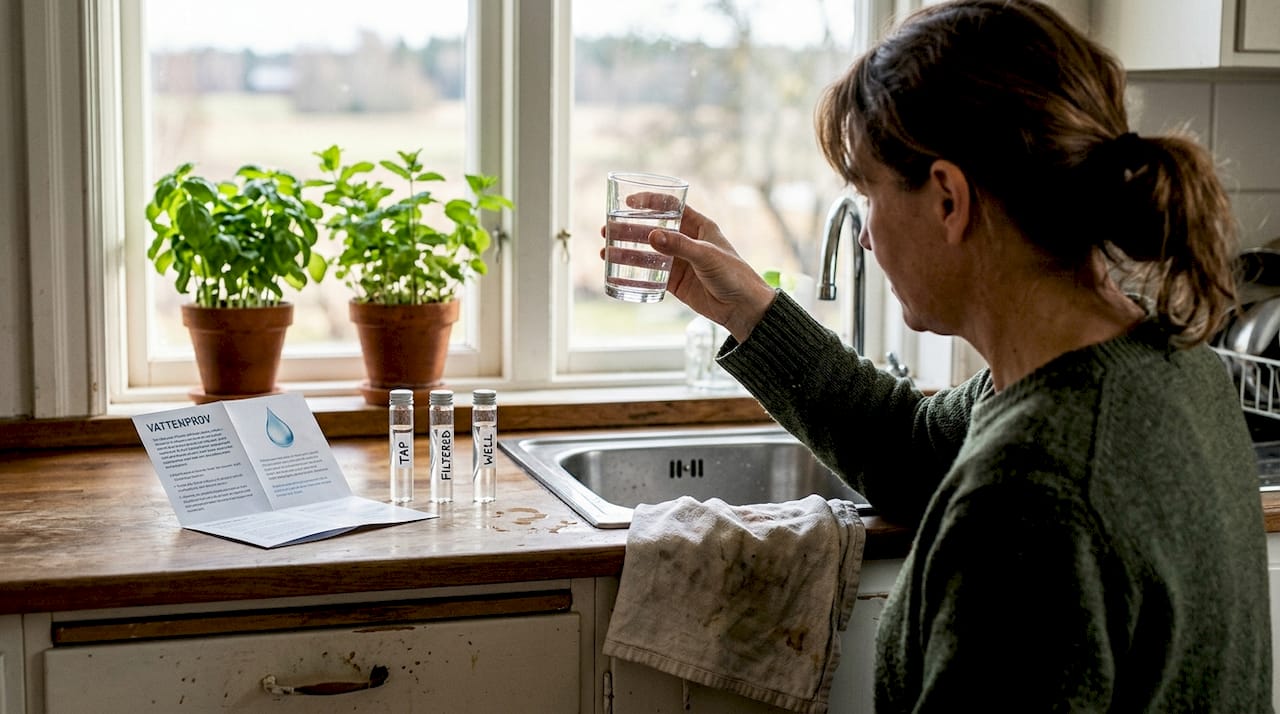
Arsenic presents a serious long-term threat in many Swedish regions, especially areas with granitic bedrock. This naturally occurring element leaches into groundwater and accumulates in the body over years of exposure, increasing risks for skin, bladder, and lung cancers. The tightening limit to 5 µg/l from 2026 reflects growing evidence that even low concentrations pose health risks, making testing essential if you haven’t checked arsenic levels recently.
Metal contamination from iron, manganese, copper, and lead creates both aesthetic problems and health concerns. Iron and manganese stain fixtures and laundry while giving water a metallic taste, though they pose minimal health risks at typical concentrations. Copper and lead are more dangerous, with lead particularly harmful to developing brains in children. Old brass fixtures and lead solder in plumbing systems often contribute more lead than the well itself.
Organic compounds including pesticides, industrial solvents, and petroleum products can contaminate wells near agricultural areas, former industrial sites, or fuel storage facilities. PFAS chemicals, nicknamed “forever chemicals” because they don’t break down naturally, increasingly appear in wells near airports, military bases, and certain manufacturing facilities. These substances require specialized testing beyond standard packages.
Treatment options matched to specific contaminants:
- Activated carbon filtration: Removes chlorine, organic chemicals, pesticides, and improves taste and odor; requires regular cartridge replacement; ineffective against bacteria and metals
- UV disinfection: Kills bacteria and viruses without chemicals; requires pre-filtration if water is turbid; needs electricity and annual bulb replacement; no residual protection in pipes
- Chlorination systems: Provides continuous disinfection with residual protection; effective against bacteria; requires careful dosing and monitoring; can create unpleasant taste
- Reverse osmosis: Removes arsenic, nitrates, metals, and many other contaminants; wastes 3 to 4 liters for every liter produced; requires regular membrane replacement; typically installed at point of use
- Iron and manganese filters: Uses oxidation and filtration to remove these metals; requires backwashing; effective for concentrations up to certain limits
Practical water remediation works best when you test first to identify specific problems, then select treatment systems designed for those contaminants. Installing expensive equipment without knowing what you’re treating often fails to solve the actual problem while creating maintenance headaches. Many homeowners waste money on whole-house systems when point-of-use treatment at kitchen taps would suffice.
Pro Tip: If bacteria water testing shows contamination, perform shock chlorination and retest before investing in permanent treatment systems. Temporary contamination from a specific event doesn’t require expensive equipment, while persistent bacterial presence indicates structural problems needing both repair and treatment.
Comparing common water testing packages and choosing the right one for your well
Swedish private well owners can choose from several testing packages designed for different situations and budgets. Basic packages screen for the most common health threats, while comprehensive options test for dozens of parameters including rarely-encountered contaminants. Selecting the right package depends on your well type, location, previous test results, and any noticeable water quality issues.
| Package type | Parameters tested | Typical cost range | Best for |
|---|---|---|---|
| Basic bacteria | E.coli, enterococci, colony count | 800-1,200 SEK | Annual routine checks, post-disinfection verification |
| Standard well | Bacteria, pH, iron, manganese, hardness, nitrate | 1,500-2,200 SEK | First-time testing, general screening |
| Comprehensive | 30-40 parameters including metals, minerals, bacteria | 2,500-3,500 SEK | Complete assessment, property transactions |
| Specialized PFAS | 20-30 PFAS compounds | 3,500-5,000 SEK | Wells near airports, military bases, industrial areas |
| Radon | Radon gas concentration | 1,200-1,800 SEK | Granite bedrock areas, enclosed water systems |
Choosing the appropriate package requires considering several factors. New well owners or those who haven’t tested in over three years should start with comprehensive packages providing a complete baseline. If previous tests showed specific issues, targeted packages focusing on those parameters make sense for monitoring treatment effectiveness. Wells in agricultural areas need nitrate and pesticide screening, while those near roads or industrial sites benefit from heavy metal analysis.
Geographic location strongly influences which contaminants to prioritize. Coastal wells require salinity monitoring to detect saltwater intrusion. Wells in limestone regions often have high hardness and pH issues but lower heavy metal risks. Granite areas need radon and arsenic testing. Your local environmental office can identify common regional concerns worth investigating.
Selection tips for optimal testing:
- Start comprehensive if you lack recent test history or bought property recently
- Test bacteria annually at minimum, more often if you notice taste, odor, or appearance changes
- Add specialized tests like PFAS or radon based on proximity to known contamination sources
- Retest specific parameters quarterly if previous results approached or exceeded limits
- Consider seasonal testing during spring runoff and late summer low water periods
- Budget for follow-up testing after installing treatment systems to verify effectiveness
Folkhälsomyndigheten recommends testing private wells every three years as a baseline, with annual bacterial testing preferred. More frequent monitoring makes sense if your area experiences contamination events, if nearby land use changes, or if household members have compromised immune systems. Pregnant women and families with infants should maintain particularly vigilant testing schedules given their vulnerability to contaminants like nitrates and lead.
Explore available water test packages to compare exactly which parameters each option covers. Accredited laboratories provide consultation helping you select packages matching your specific situation rather than paying for unnecessary tests or missing critical ones. Investing in appropriate testing now prevents expensive health problems and treatment system mistakes later.
Get your private well water tested by Svenskt Vattenprov
Protecting your family’s health starts with knowing exactly what’s in your well water. Svenskt Vattenprov offers comprehensive private well water analysis through Swedac-accredited laboratories following the same rigorous standards applied to public water supplies. Our packages test for bacteria, metals, minerals, and other contaminants specified in LIVSFS 2022:12, giving you complete confidence in your water quality.
We’ve helped thousands of Swedish homeowners understand their water quality since 2018, building expertise in regional contamination patterns from Skåne to Norrland. Whether you need basic bacteria water testing or comprehensive analysis covering dozens of parameters, our water test packages provide clear results with practical recommendations. Every analysis includes sterile sampling equipment, laboratory testing, and detailed reports explaining what your results mean and what actions to take if any values exceed recommended limits. Our team answers your questions throughout the process, helping you make informed decisions about treatment options when needed.
What are the main drinking water quality standards for private wells in Sweden?
LIVSFS 2022:12 Appendix 1 establishes limit values for microbiological, chemical, and indicator parameters in drinking water. While these regulations legally apply to public water supplies, health authorities recommend private well owners follow the same standards to ensure safety. Key limits include zero E.coli and enterococci, maximum 10 µg/l arsenic (reducing to 5 µg/l in 2026), and 50 mg/l nitrate. Understanding private well water regulations 2026 helps you maintain compliance with recommended guidelines.
How often should I test my private well water in Sweden?
Test your well water at least annually for bacteria, with comprehensive testing every three years covering chemical and mineral parameters. Increase testing frequency if you notice changes in water taste, odor, color, or clarity, or if nearby land use changes occur. After installing treatment systems, test quarterly for the first year to verify effectiveness. Wells in areas with known contamination risks or serving vulnerable household members benefit from more frequent monitoring. Regular well water testing prevents health problems by catching issues early.
What treatment methods are recommended if contaminants exceed limits?
Treatment selection depends on which contaminants exceed limits. Bacterial contamination requires UV disinfection, chlorination systems, or shock chlorination combined with source elimination. Arsenic and heavy metals need reverse osmosis or specialized adsorption filters. Organic compounds respond to activated carbon filtration. Iron and manganese require oxidizing filters with backwash capability. Always test before selecting treatment to avoid wasting money on systems that don’t address your specific problems. Our water treatment methods for wells guide explains matching solutions to contaminants.
Are the limits for contaminants like arsenic changing?
Yes, the arsenic limit tightens to 5 µg/l starting in 2026, down from the current 10 µg/l standard. This change reflects growing scientific evidence that even low arsenic concentrations increase cancer risk over long-term exposure. Climate change impacts on groundwater levels and chemistry may drive future adjustments to other parameters as well. Stay informed about regulatory updates and retest periodically even if previous results showed compliance, since both standards and your water quality can change over time.