

What is water analysis: a guide for Swedish well owners
Many private well owners in Sweden assume that clear, fresh-tasting water means it’s safe to drink. The reality is more complex. Invisible contaminants like bacteria, heavy metals, and emerging pollutants such as PFAS can exist in water that appears perfectly clean. Water analysis is a laboratory examination of drinking water from private wells to assess chemical, microbiological, and physical parameters ensuring safety for consumption, technical suitability, and compliance with Swedish recommendations. This guide explains exactly what water analysis tests for, why it matters for your family’s health, and how to use results to maintain safe well water that meets Swedish standards.
Table of Contents
- Key takeaways
- Understanding water analysis: what it assesses and why it matters
- Common contaminants in Swedish private wells and their health impacts
- How water analysis guides treatment and compliance for private wells
- Planning and conducting your water analysis: practical steps for Swedish well owners
- Ensure safe water with professional Swedish water analysis services
- What is water analysis? Frequently asked questions
Key Takeaways
| Point | Details |
|---|---|
| Comprehensive testing scope | Water analysis examines chemical, microbiological, and physical parameters to assess safety and suitability for drinking. |
| Invisible contaminants detected | Tests identify bacteria such as coliform and E coli, PFAS, nitrates, heavy metals, and radon that are not visible to the eye. |
| Guides treatment decisions | Results point to targeted treatment options to address specific contaminants found in your well water. |
| Seasonal testing timing | Schedule analyses in spring or after heavy rainfall to capture peak contamination risks and obtain a representative yearly profile. |
Understanding water analysis: what it assesses and why it matters
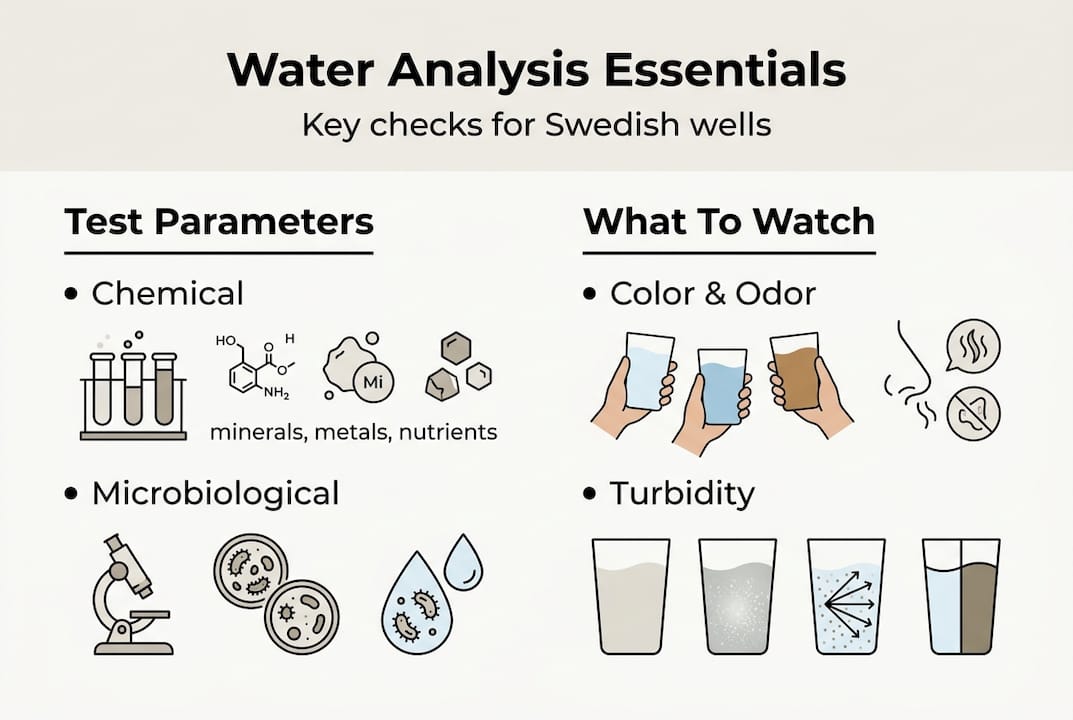
Water analysis is the systematic laboratory testing of well water to evaluate its safety for drinking and compliance with Swedish health standards. Unlike a simple visual inspection, professional analysis examines dozens of parameters that determine whether your water is safe for your family. The process involves collecting samples according to strict protocols and sending them to accredited laboratories where specialists measure specific contaminants and characteristics.
Chemical parameters form the foundation of most water analyses. These tests measure substances like iron, manganese, pH levels, water hardness, nitrate concentrations, PFAS compounds, heavy metals including lead and arsenic, and naturally occurring radon gas. Each chemical parameter provides insight into different aspects of water quality and potential health risks. For example, high nitrate levels often indicate agricultural runoff, while elevated iron causes both aesthetic problems and potential health concerns.
Microbiological testing focuses on detecting harmful bacteria that can cause serious illness. The most common tests look for coliform bacteria and E. coli, which serve as indicators of fecal contamination. Even a small number of these bacteria in your drinking water represents a significant health risk, particularly for children, elderly family members, and anyone with compromised immune systems. These organisms are completely invisible and cannot be detected by taste, smell, or appearance.
Physical properties like turbidity, color, and odor also receive attention during analysis. Turbidity measures how cloudy or clear your water appears, which can indicate sediment, organic matter, or microorganism presence. While physical properties often affect water’s aesthetic appeal more than safety, they can signal underlying contamination issues that require investigation. Understanding these important water parameters for private wells helps you interpret your results effectively.
Pro Tip: Schedule your water analysis during spring or after heavy rainfall when contamination risks are highest. This timing gives you the most accurate picture of potential problems your well might face throughout the year.
Common contaminants in Swedish private wells and their health impacts
Swedish private wells face contamination risks that vary by region, geology, and surrounding land use. Understanding these threats helps you recognize why comprehensive testing is essential, regardless of how your water looks or tastes.
Chemical contaminants represent the most diverse category of well water threats:
- Nitrates from agricultural fertilizers and septic systems can cause serious health problems, particularly for infants
- Manganese and iron leach naturally from soil and bedrock, causing both aesthetic issues and potential health concerns at high concentrations
- Heavy metals like lead, arsenic, and cadmium enter groundwater through natural geological processes or industrial contamination
- PFAS compounds, often called forever chemicals, persist in the environment near airports, military sites, and certain industrial areas
- Radon gas occurs naturally in granite-rich regions and poses long-term cancer risks when present in drinking water
Microbiological contamination poses immediate health risks that chemical pollutants often don’t. Bacteria including E. coli and other coliform organisms cause gastrointestinal illness, fever, and potentially serious complications. These pathogens typically enter wells through surface water infiltration, damaged well casings, or inadequate well construction. Seasonal changes, flooding, and nearby construction can suddenly introduce bacteria into previously safe wells.
Even clear-tasting water can have invisible threats like PFAS or bacteria; analysis guides targeted treatments specific to your contamination profile. A well in Skåne might struggle with high calcium levels and nitrates from surrounding farmland, while a drilled well in Värmland’s granite bedrock could contain elevated radon and low pH. Regional geology and local activities determine your specific risk profile.
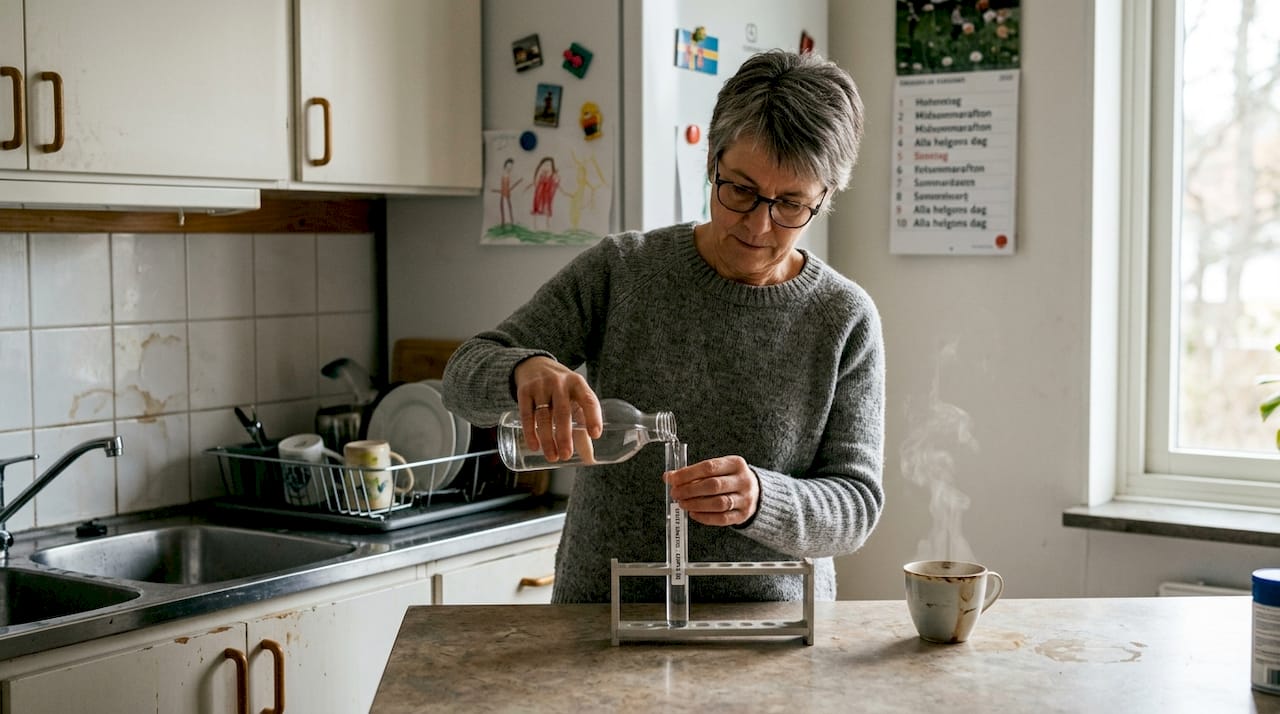
Professional water analysis is the only reliable method to detect invisible contaminants that threaten your family’s health. Visual inspection and taste tests cannot identify the bacteria, chemicals, and compounds that pose the greatest risks to well water safety.
Recognizing signs of well water contamination early allows you to address problems before they affect your health. However, many dangerous contaminants produce no warning signs at all, making regular testing your primary defense.
Pro Tip: If your well is located near agricultural land, prioritize testing for nitrates and pesticides. Wells within 300 meters of airports or military facilities should include PFAS analysis in their testing protocol.
How water analysis guides treatment and compliance for private wells
Analysis results transform from abstract numbers into actionable solutions when you understand how different contaminants require specific treatment approaches. The right treatment method depends entirely on what your analysis reveals about your water’s composition.
Analysis guides targeted treatments matched to your specific contamination profile. UV disinfection systems effectively eliminate bacteria and viruses but do nothing for chemical contaminants. Activated carbon filters remove chlorine, some pesticides, and improve taste, while reverse osmosis systems handle a broader range of dissolved solids including heavy metals and PFAS. Iron and manganese require oxidation followed by filtration, and radon needs specialized aeration systems.
| Contaminant Type | Recommended Treatment | Testing Frequency |
|---|---|---|
| Bacteria (E. coli, coliforms) | UV disinfection, chlorination, well rehabilitation | Annually or after flooding |
| Iron and manganese | Oxidation filters, water softeners | Every 3 years |
| Nitrates | Reverse osmosis, ion exchange | Annually near agricultural areas |
| PFAS compounds | Activated carbon, reverse osmosis | Every 3-5 years near risk areas |
| Radon | Aeration systems, point-of-use treatment | Once, then every 5-10 years |
| Low pH (acidic water) | Neutralizing filters, soda ash injection | Every 3 years |
Compliance with Swedish regulations protects both your family’s health and your property value. Private well owners bear responsibility for ensuring their water meets drinking water standards, even though they aren’t subject to the same mandatory testing as public water supplies. Regular analysis provides documentation that your water is safe, which becomes particularly important during property transactions.
Maintaining water quality requires a systematic approach:
- Conduct baseline comprehensive analysis when you first acquire property with a private well
- Establish regular testing schedule based on initial findings and risk factors
- Keep detailed records of all analysis results, treatment installations, and maintenance activities
- Address any parameter exceedances promptly with appropriate treatment solutions
- Retest after installing treatment systems to verify effectiveness
- Monitor treatment system performance through periodic analysis
Documentation serves multiple purposes beyond health protection. Swedish authorities may require water quality records when you apply for well water improvement measures subsidies or permits. Real estate transactions demand current analysis results, and insurance claims related to water damage may need quality documentation. Understanding official well water requirements helps you maintain compliance and protect your investment.
Pro Tip: Create a water quality file that includes all analysis reports, treatment system documentation, and maintenance records. This organized approach simplifies compliance verification and adds value when selling your property.
Planning and conducting your water analysis: practical steps for Swedish well owners
Successful water analysis begins with proper sample collection. Contamination during sampling produces misleading results that waste money and potentially leave real problems undetected. Following correct procedures ensures your analysis accurately represents your well water quality.
Collect your water sample using these steps:
- Choose a cold water tap closest to where water enters your home, before any treatment systems
- Remove any aerator or screen from the faucet to prevent contamination
- Clean the faucet opening with rubbing alcohol or by flaming briefly with a lighter
- Run cold water at full pressure for 5 minutes to flush the pipes
- Reduce flow to a steady stream and fill the sterile sample bottles without touching the inside
- Cap bottles immediately and label with collection date, time, and location
- Refrigerate samples and ship or deliver to the laboratory within 24 hours
Choosing the right analysis package depends on your well type, regional risks, and specific concerns. Swedish laboratories offer packages tailored to different situations:
- Basic bacterial analysis for routine monitoring of microbiological safety
- Drilled well packages covering 40+ parameters including metals, minerals, and bacteria
- Dug well packages with enhanced focus on surface water contamination indicators
- PFAS-specific testing for properties near airports, military sites, or industrial areas
- Radon analysis for wells in granite bedrock regions
- Comprehensive packages testing 70+ parameters for maximum thoroughness
Comparing package contents helps you select appropriate testing:
| Package Type | Parameters Tested | Typical Turnaround | Best For |
|---|---|---|---|
| Basic Bacteria | 3-5 (coliforms, E. coli) | 3-5 days | Annual routine checks |
| Drilled Well Standard | 35-45 (metals, minerals, bacteria, pH) | 7-10 days | Most bergborrade brunnar |
| Dug Well Complete | 30-40 (enhanced surface indicators) | 7-10 days | Grävda brunnar |
| PFAS Screening | 30 PFAS compounds | 14-21 days | Properties near risk areas |
| Comprehensive Plus | 70+ parameters | 14-21 days | Initial assessment, property sales |
Interpreting your results requires understanding how laboratories present data. Reports typically show each parameter’s measured value alongside Swedish drinking water standards and WHO guidelines. Parameters appear in green when they meet standards, yellow for borderline values requiring monitoring, and red for exceedances needing immediate action. Pay attention to trends across multiple tests rather than focusing solely on individual results.
Follow-up testing schedules depend on your initial findings. Wells with clean results need analysis every three years under normal circumstances. Properties with borderline values should retest annually to monitor trends. Any exceedance requires immediate treatment followed by verification testing. Complete water testing guidance provides detailed protocols for different scenarios.
Pro Tip: Review water sampling instructions carefully before collecting your sample. Small mistakes during collection cause more result variations than actual water quality changes, leading to unnecessary concern and expense.
Ensure safe water with professional Swedish water analysis services
Protecting your family’s health starts with knowing exactly what’s in your well water. Professional analysis removes guesswork and provides the factual foundation for confident decisions about your drinking water safety. Accredited Swedish laboratories use standardized methods that meet Swedac requirements, ensuring your results are accurate, legally valid, and comparable to national standards.
Comprehensive water analysis for private wells covers everything from basic bacterial screening to extensive multi-parameter packages. Whether you need a complete water analysis package testing 70+ parameters or focused bacteria water testing for routine monitoring, specialized packages match your specific situation. Every analysis includes clear result interpretation, comparison to Swedish standards, and practical recommendations for any issues detected. Professional testing gives you confidence that your well water is safe, helps you maintain compliance with health recommendations, and provides documentation that protects your property value.
What is water analysis? Frequently asked questions
How often should I test my private well water?
Test your well water every three years as a baseline for routine monitoring. Increase frequency to annually if you live near agricultural land, industrial sites, or have young children. Test immediately after flooding, nearby construction, changes in water appearance or taste, or when family members experience unexplained illness. Regular water testing catches problems early before they affect health.
What parameters are most important for safe drinking water?
Bacterial contamination, particularly E. coli and coliform bacteria, poses the most immediate health risk and requires priority testing. Chemical parameters including nitrates, heavy metals like lead and arsenic, PFAS compounds, and radon also demand attention due to serious long-term health effects. pH, iron, and manganese affect both safety and water system performance. Your specific risk profile depends on regional geology and nearby land use.
Can I test my water myself or do I need a lab?
Home test kits provide rough estimates for basic parameters like pH and hardness but lack the precision and scope needed for health-related decisions. Accredited laboratory analysis is essential for bacterial testing, heavy metals, PFAS, and other contaminants that require specialized equipment and expertise. Only laboratory results meet official well water standards for regulatory compliance and property transactions.
What are the signs my well water might be contaminated?
Visible signs include cloudiness, unusual color, sediment, or changes in clarity. Taste and odor changes like metallic, sulfur, or chlorine-like flavors indicate potential problems. Staining on fixtures, laundry discoloration, and scale buildup suggest elevated minerals. However, many dangerous contaminants produce no warning signs, making regular testing essential regardless of how your water appears.
What happens if my water fails analysis?
Failing parameters require specific responses based on contamination type and severity. Bacterial contamination demands immediate action like boiling water or using bottled water until you install UV disinfection or chlorination systems. Chemical exceedances need appropriate filtration, reverse osmosis, or other treatment matched to the specific contaminant. Retest after installing treatment to verify effectiveness, then maintain regular monitoring to ensure continued safety.
1 kommentar
Visit us: https://farelabs.com/services/testing/water-testing-lab/
Water Testing lab |
Water Testing lab near me |
Water Testing laboratory |
Water laboratory |
Water Testing companies near me |
Water Testing lab in gurgaon |
Water Testing lab in india |
Water Testing services